
Business Development & Sales
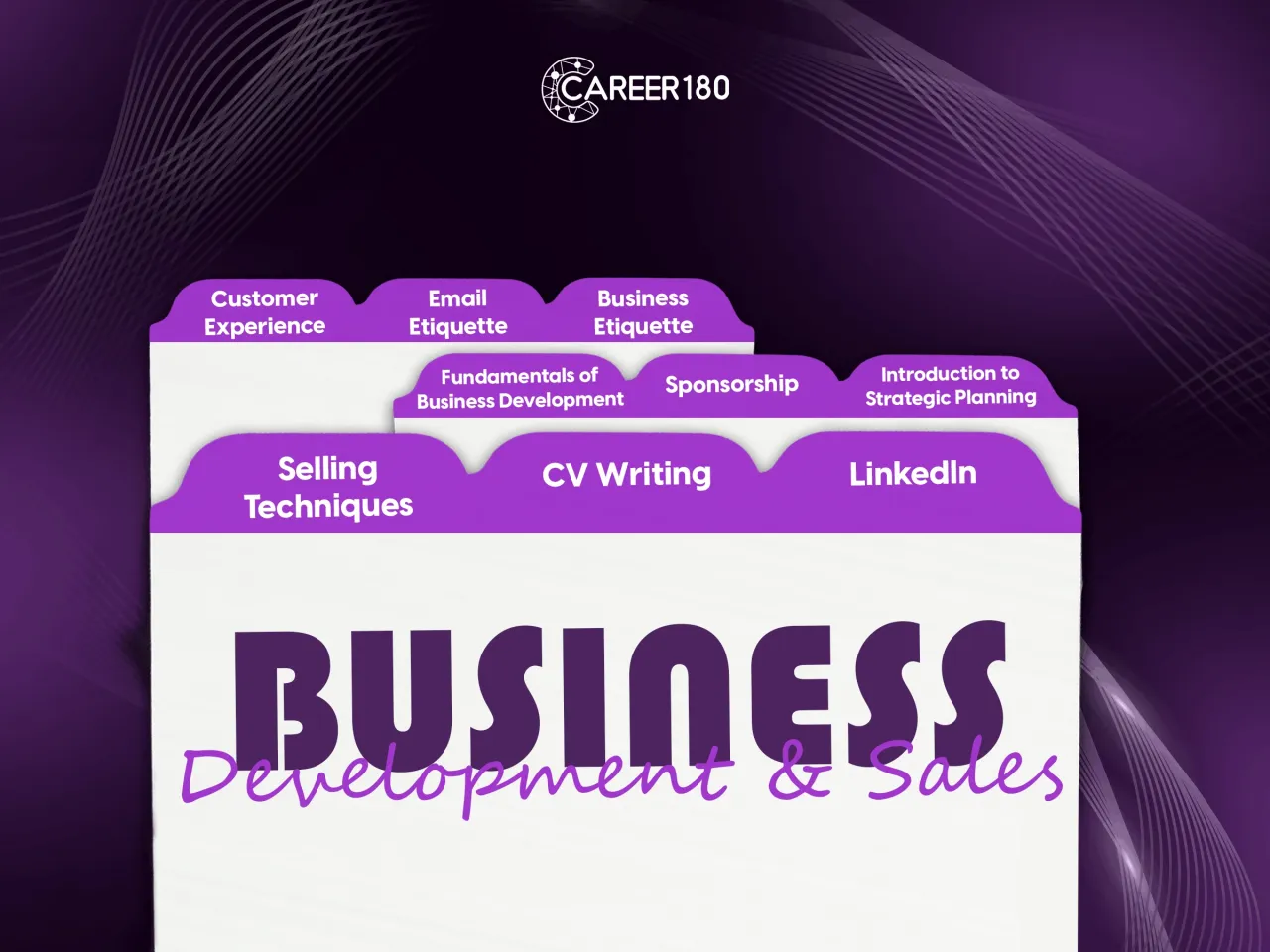
Elevate Your Career with Our Business Development & Sales Bundle
Unlock the secrets to business development and sales success with our expertly designed course bundle. Build a strong foundation and master the skills needed to excel in this dynamic field:
- Business Development: Learn how to identify growth opportunities, build partnerships, and drive business success.
- Selling Techniques: Master effective sales strategies to pitch, negotiate, and close deals successfully.
- Customer Experience: Understand how to enhance customer satisfaction and loyalty through exceptional service strategies.
- Introduction to Strategic Planning: Learn how to develop and implement long-term strategies for achieving business goals.
- Sponsorship: Discover how to secure sponsorships, build relationships with sponsors, and leverage them for business growth.
- Email Etiquette: Learn the best practices for writing professional and effective emails in business settings.
- CV Writing: Master the art of creating an impactful CV that showcases your skills, experience, and achievements.
- Business Etiquette: Understand the professional norms and behaviors essential for success in the business world.
- LinkedIn: Learn how to optimize your LinkedIn profile for networking, job searching, and personal branding.
- Emotional Intelligence: Develop the ability to recognize, understand, and manage emotions to build better relationships and succeed in the workplace.

Course 1
This sales techniques course explains the sales process from understanding the product and market to contacting prospects, identifying needs, handling objections, closing deals, and following up. It connects the sales function within an organization with practical methods for building more relevant customer conversations.
What You Will Learn:
- The role of sales within an organization.
- How to use the FABE model to understand and present product value.
- How to conduct a competitive analysis.
- The difference between outbound and inbound approaches.
- How to prepare for and make a cold call.
- How to identify a customer's needs.
- How to respond to common sales objections.
- How to move towards closing a deal.
- Why follow-up is an important part of the sales process.
-
Intro.
1 minute 28 seconds -
Sales Function within the Organization
4 minutes 37 seconds -
Sales Mindset.
4 minutes 56 seconds -
Product Knowledge (FABE).
5 minutes 7 seconds -
Competitive Analysis
3 minutes 2 seconds -
Prospecting
5 minutes 36 seconds -
Outbound Vs Inbound
4 minutes 27 seconds -
Cold Calls
6 minutes 53 seconds -
Identifying the Customer's Need
4 minutes 9 seconds -
Asking Effective Questions
3 minutes 23 seconds -
Presentation & Blocking Objections
5 minutes 56 seconds -
Demo
2 minutes 18 seconds -
Closing & Creating Sense of Urgency
2 minutes 54 seconds -
Offering the Price
2 minutes 48 seconds -
Discounts
4 minutes 6 seconds -
Follow UP
2 minutes 20 seconds -
Summary
3 minutes 16 seconds
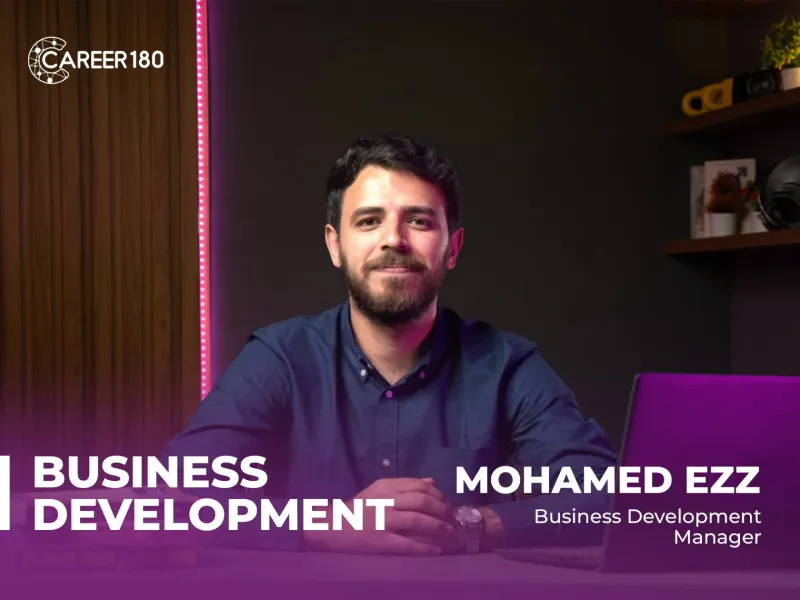
Course 2
This course introduces business development fundamentals through four connected areas: the role of business development, market research and analysis, strategic planning and execution, and relationship management. It gives learners a concise framework for understanding how market insight, planning, and professional relationships support business development activity.
What You Will Learn:
- What business development is and why organizations use it.
- The role of market research in identifying opportunities.
- How market information can be analyzed.
- How strategic planning supports business development.
- How a strategy moves from planning to execution.
- Why relationships matter in business development.
- How professional relationships can be built and maintained.
-
Introduction
52 seconds -
BD role
7 minutes 29 seconds -
knowledge
6 minutes 3 seconds -
Companies
6 minutes 28 seconds -
Products
6 minutes 22 seconds -
Suppliers and venders
4 minutes 24 seconds -
Clients
7 minutes -
Market Research
4 minutes 30 seconds -
Sales and Account Management
5 minutes 17 seconds -
Vision, Mission and Goals
5 minutes 58 seconds -
Business Model Canvas
9 minutes 1 second -
Financial Management
8 minutes 6 seconds -
Sponsorship and artnership
7 minutes 13 seconds -
Skills
9 minutes 29 seconds -
Character Traits
10 minutes 28 seconds -
Abbreviations
6 minutes 27 seconds -
Closing
2 minutes 43 seconds

Course 3
This sponsorship course explains the role of a sponsorship specialist and the main steps involved in approaching potential sponsors for an event. It covers first contact, proposal preparation, meeting arrangements, professional meeting etiquette, and the preparation needed before speaking with sponsors.
What You Will Learn:
- The job role of a sponsorship specialist.
- How to make the first contact with a potential sponsor.
- How to prepare a professional sponsorship proposal.
- How to arrange a meeting with a sponsor.
- The etiquette required across the first, second, and third meetings.
- How to prepare effectively before each meeting.
-
Introduction to Sponsorship
45 seconds -
Sponsorship Specialist Job Role
3 minutes 1 second -
First Contact
9 minutes 17 seconds -
Proposal, Setting a Meeting
6 minutes 15 seconds -
Second Meeting & Negotiations
7 minutes 33 seconds -
Third Meeting
4 minutes 20 seconds -
How to Prepare
6 minutes 5 seconds -
How to Write your Proposal
6 minutes 5 seconds -
Following up
5 minutes 41 seconds -
Conclusion
32 seconds
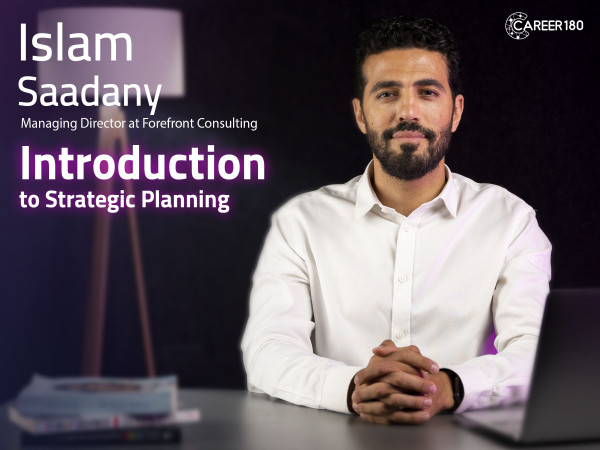
Course 4
This strategic planning course explains how organizations establish a strategic foundation, analyze their situation, and select an appropriate direction. It covers the importance of planning, the factors included in macro, micro, and internal analysis, and the process used to choose a strategy based on the organization and its environment.
What You Will Learn:
- Why strategic planning is important.
- The elements that form a strategic foundation.
- The main stages in the strategic planning process.
- The different types of situational analysis.
- How macro-environment factors can be examined.
- How micro-environment factors influence strategy.
- How internal analysis supports strategic decisions.
- How to compare options and select a suitable strategy.
-
Intro
41 seconds -
What, Why and How?
4 minutes 31 seconds -
Strategic Foundation
3 minutes 18 seconds -
Situational Analysis - Part 1
3 minutes 22 seconds -
Situational Analysis - Part 2
5 minutes 50 seconds -
Situational Analysis - Part 3
3 minutes 13 seconds -
Strategy Selection - Direction Strategies
9 minutes -
Strategy Selection - Competitive Strategies
5 minutes 8 seconds -
Execution and Monitoring
3 minutes 14 seconds -
Conclusion
1 minute 21 seconds
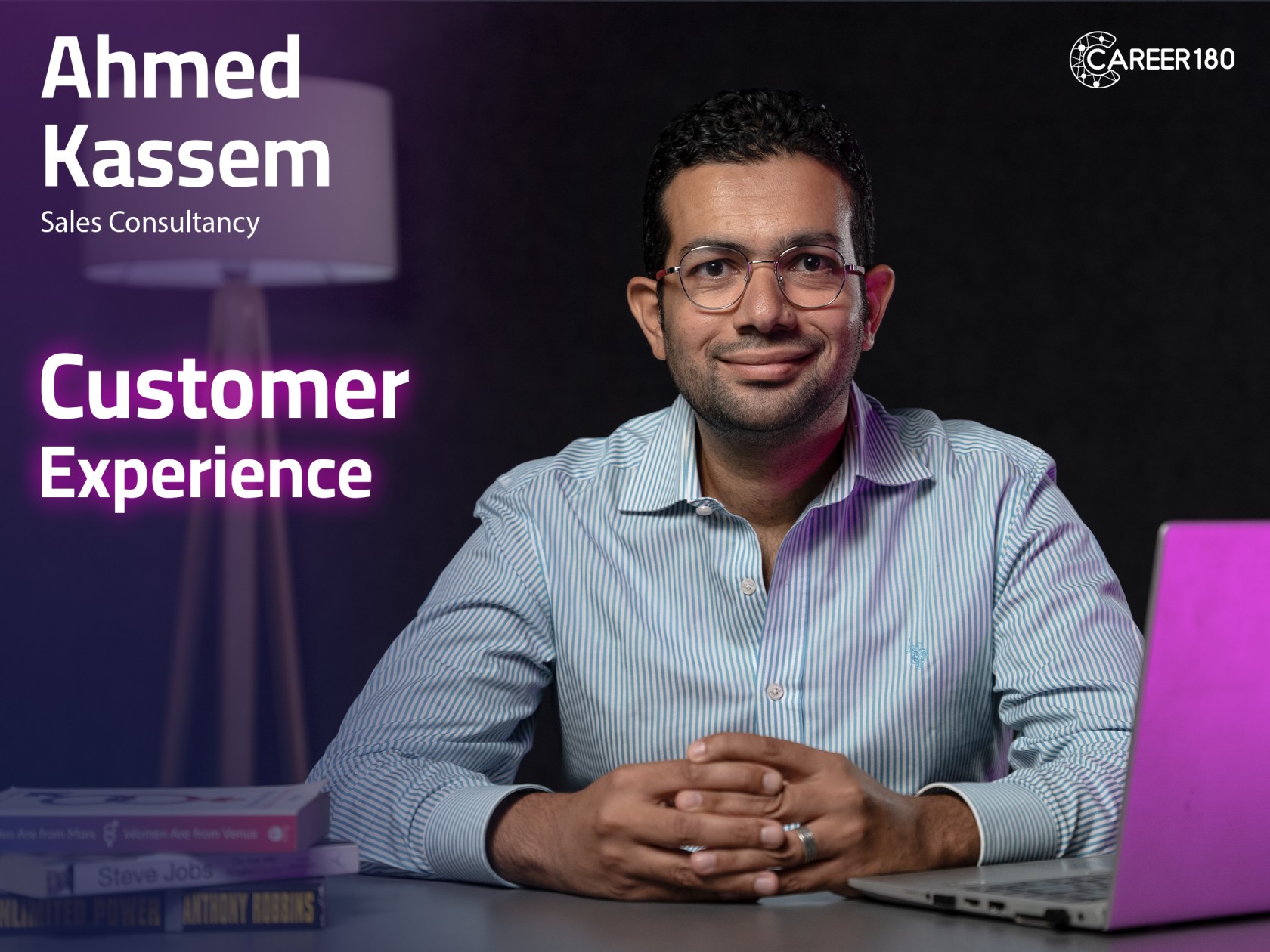
Course 5
This customer experience course introduces the strategies businesses use to understand and engage today’s customers. It explains why customer experience matters and connects branding, customer journeys, customer feedback, satisfaction measurement, and advocacy within one practical framework.
What You Will Learn:
- - The main areas covered by customer experience.
- Strategies for engaging with modern customers.
- Why customer experience is important to a business.
- How branding influences the customer experience.
- The role of different brand channels.
- How to understand the customer journey.
- How the voice of the customer supports improvement.
- How customer satisfaction and advocacy are considered.
-
Intro
2 minutes 15 seconds -
Today's Customers Part 1
12 minutes 42 seconds -
Today's Customers Part 2
4 minutes 57 seconds -
The Power of Branding
7 minutes 54 seconds -
Customer Journey and Customer Persona
6 minutes 8 seconds -
Voice of Customer
8 minutes 43 seconds -
Customer Experience Indicators
6 minutes 13 seconds -
Customer Advocacy
4 minutes 55 seconds

Course 6
This email etiquette course focuses on writing clear, structured, and professional messages. It examines common communication obstacles and explains how to open an email effectively, organize its main body, and finish with an appropriate closing for the situation.
What You Will Learn:
- Common obstacles that affect email communication.
- The essential principles of effective email writing.
- How to begin an email clearly and appropriately.
- The main components of an email body.
- How to structure information within the message.
- How to choose suitable concluding remarks.
- Strategies for closing an email effectively.
- How professional etiquette supports clearer communication.
-
Intro
1 minute 14 seconds -
Email Challenges
3 minutes 47 seconds -
Email Overview Part 1
4 minutes 36 seconds -
Email Overview Part 2
4 minutes 6 seconds -
Email Overview Part 3
6 minutes 36 seconds -
Email Overview Part 4
2 minutes 2 seconds -
Final Checkups
2 minutes 18 seconds -
Tips for Better Email Writing
2 minutes 26 seconds

Course 7
In this course you will learn:
- How to write a CV in a professional and attractive way.
- Difference between career objectives and career highlights and how to summarize it.
- How to highlight your achievements in your CV.
- How to describe your skills, extracurricular activities, courses, certificates, and personal details in your CV
-
Intro
46 seconds -
Content Details
2 minutes 9 seconds -
Career Objectives
57 seconds -
Education
1 minute 7 seconds -
Work and Internship Experience
1 minute 47 seconds -
Extracurricular Activities
1 minute 56 seconds -
Courses
1 minute 15 seconds -
Certificates
1 minute 30 seconds -
Skills
3 minutes 16 seconds -
Personal Details
1 minute 30 seconds -
Tips & Tricks
3 minutes 37 seconds

Course 8
This business etiquette course explains the professional behaviors that shape how people present themselves in interviews, offices, meetings, and online spaces. It covers the difference between social and business etiquette, dress codes, posture, gestures, handshakes, workplace conduct, and professional social media presence.
What You Will Learn:
- The difference between social etiquette and business etiquette.
- Common types of professional dress codes.
- How to select suitable clothing for different situations.
- Appropriate posture, gestures, and sitting positions.
- How to give a professional handshake.
- Etiquette for job interviews.
- Professional behavior in offices and meetings.
- How to maintain a professional presence on social media and LinkedIn.
-
Intro
59 seconds -
Introduction to Business Etiquette
3 minutes 45 seconds -
First Impression
1 minute 50 seconds -
Appearance
9 minutes 36 seconds -
Body Signals
4 minutes 58 seconds -
Handshakes
5 minutes 38 seconds -
Interview Etiquette
9 minutes 29 seconds -
Office Etiquette
8 minutes 5 seconds -
Phone Etiquette
4 minutes 43 seconds -
Netiquette
8 minutes 7 seconds

Course 9
This LinkedIn course teaches job seekers how to build a more professional presence on LinkedIn and use the platform during their job search. It explains the difference between personal profiles and company pages, then covers profile development, resume creation, networking, platform features, and finding suitable opportunities.
What You Will Learn:
- The difference between a personal profile and an official company page.
- The main LinkedIn features available to job seekers.
- How to develop a professional LinkedIn profile.
- How LinkedIn can support your personal brand.
- How to build or present a resume through LinkedIn.
- How to search for suitable jobs on the platform.
- How to grow a relevant professional network.
- How profile information can support professional visibility.
-
Intro
1 minute 16 seconds -
LinkedIn Profile VS. Pages Part 1
7 minutes 25 seconds -
LinkedIn Profile VS. Pages Part 2
13 minutes 44 seconds -
LinkedIn Features
9 minutes 51 seconds -
How to Find Jobs on LinkedIn Part 1
14 minutes 56 seconds -
How to Find Jobs on LinkedIn Part 2
15 minutes 21 seconds -
Networking
4 minutes 21 seconds -
Tips and Tricks
10 minutes 20 seconds
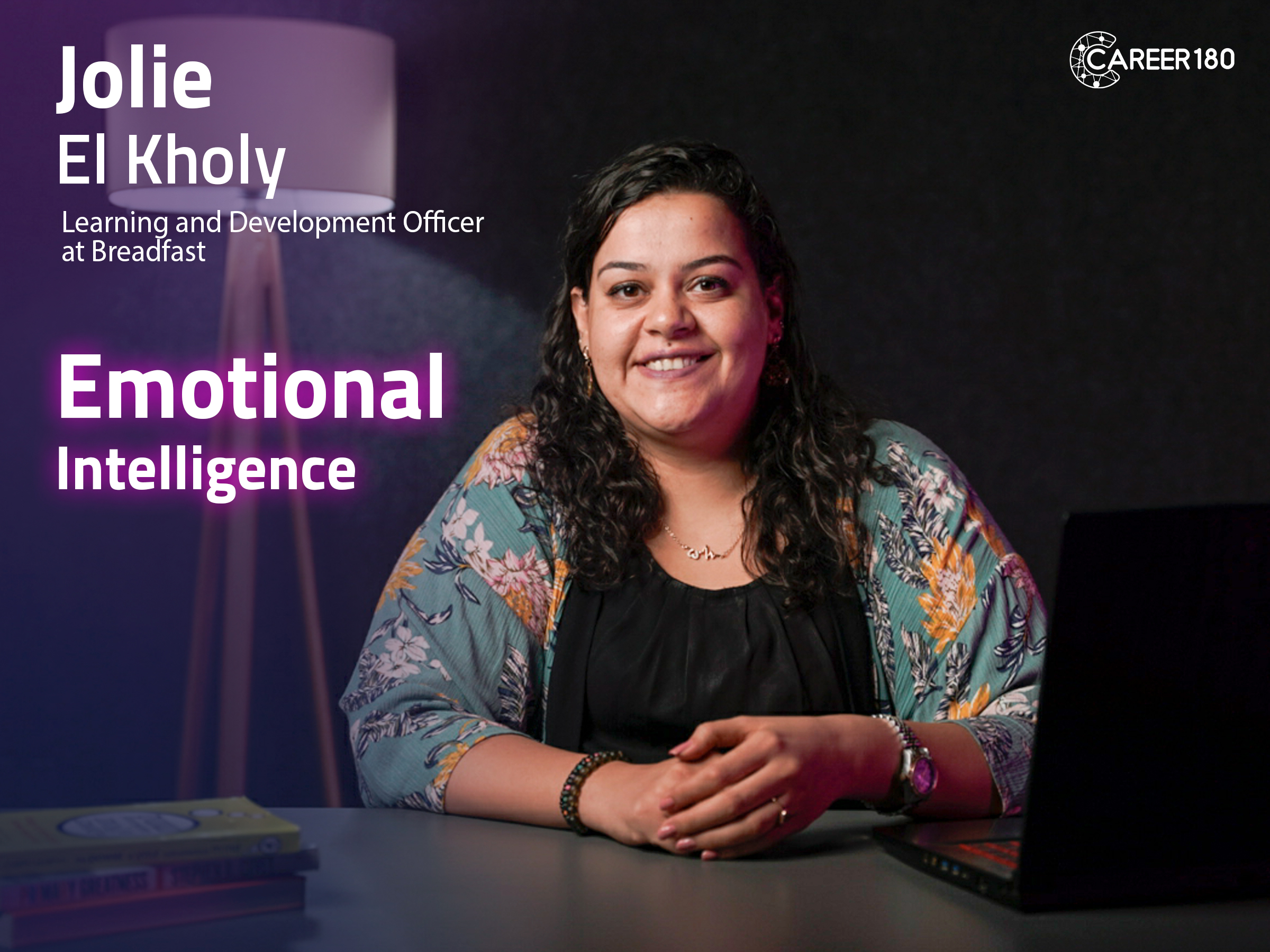
Course 10
This emotional intelligence course online helps learners understand emotions, self-awareness, and social interaction. It explains different types of intelligence, the distinction between EQ and IQ, the origin of emotions, the effect of mental filters, and the role of empathy in productive relationships.
What You Will Learn:
- What emotional intelligence means.
- The main types of intelligence.
- The difference between emotional intelligence (EQ) and intelligence quotient (IQ).
- How to develop greater self-awareness.
- What emotions are and where they come from.
- How mind filters influence thoughts and reactions.
- What empathy means.
- How to build social empathy and interact more effectively.
-
Intro
2 minutes 29 seconds -
Introduction to Emotional Intelligence
5 minutes 23 seconds -
EQ or IQ
4 minutes 11 seconds -
Self Awareness
6 minutes 27 seconds -
What are Emotions
4 minutes 55 seconds -
Where Emotions Come From
7 minutes 6 seconds -
Mental Filters
8 minutes 27 seconds -
The Happy Chemicals
6 minutes 40 seconds -
Freedom to Choose
8 minutes 43 seconds -
Social Empathy
5 minutes 48 seconds -
Perception
3 minutes 54 seconds -
Emotional Intelligence at Workplace
9 minutes 1 second
Subscriptions
Start watching our recorded courses in different fields with our great experts
1 Month Subscription
Benefits
- Full access to all courses
- Full access to material of courses
- Engage with course instructors
- Get certificate of completion
1 Year
Benefits
- Full access to all courses
- Full access to material of courses
- Engage with course instructors
- Get certificate of completion
3 Months
Benefits
- All one month subscription perks
- Access for three months
- Access for 3 users