

Soft Skills
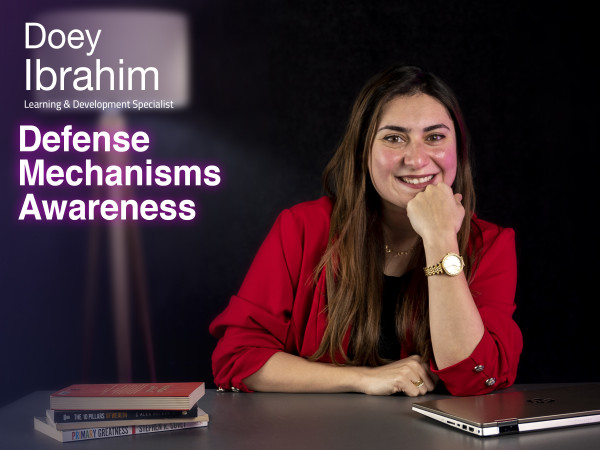
Defense Mechanisms Awareness
This defense mechanisms psychology course explains how people may respond to difficult emotions through unconscious protective patterns. It introduces primary defense mechanisms and uses examples such as projection, anger, avoidance, displacement, reaction formation, sublimation, and unhealthy coping responses.
What You Will Learn:
- What psychological defense mechanisms are.
- The main types of defense mechanisms.
- Common primary defense mechanisms.
- How insecurity may appear through projection.
- The relationship between anger, avoidance, and defensive responses.
- What displacement and reaction formation mean.
- How sublimation differs from unhealthy defense mechanisms.
- How to recognize and handle emotions more consciously.
The course is suitable for learners who want to understand defense mechanisms and identify patterns such as projection, anger, avoidance, and displacement. It provides awareness that can support more thoughtful responses to emotions and behavior.
-
Introduction to Defense Mechanisms
28 seconds -
Definition of Defense Mechanisms
2 minutes 43 seconds -
Primary & Secondary Mechanisms
3 minutes 15 seconds -
Projection
2 minutes 24 seconds -
Anger & Avoidance
1 minute 55 seconds -
Displacement
1 minute 46 seconds -
Reaction Formation & Compartmentalization
3 minutes 59 seconds -
Sublimation
2 minutes 23 seconds -
Are Defense Mechanisms Unhealthy?
4 minutes 16 seconds -
Conclusion
1 minute 55 seconds
Meet your instructor

Doey Ibrahim
A training and development specialist with over
8 years of professional experience, being exposed to extensive training
experiences in different countries. With a comprehensive knowledge of
Adult Learning Theory and best practices, good knowledge and background
in psychology and coaching.
I know first-hand how great an impact
of learning can have on individuals and the overall workplace. With my
combined expertise in coaching, training, and facilitation, I helped
employees develop their skills to build and recharge themselves and the
company as well through the strategic training programs I designed and
delivered. All my work continues to be around a central mission; to help
people improve themselves and raise their
awareness.





Subscriptions
Start watching our recorded courses in different fields with our great experts
1 Month Subscription
Benefits
- Full access to all courses
- Full access to material of courses
- Engage with course instructors
- Get certificate of completion
1 Year
Benefits
- Full access to all courses
- Full access to material of courses
- Engage with course instructors
- Get certificate of completion
3 Months
Benefits
- All one month subscription perks
- Access for three months
- Access for 3 users